


Understanding What is Sustainable Packaging for Beauty Products
Posted by MEET

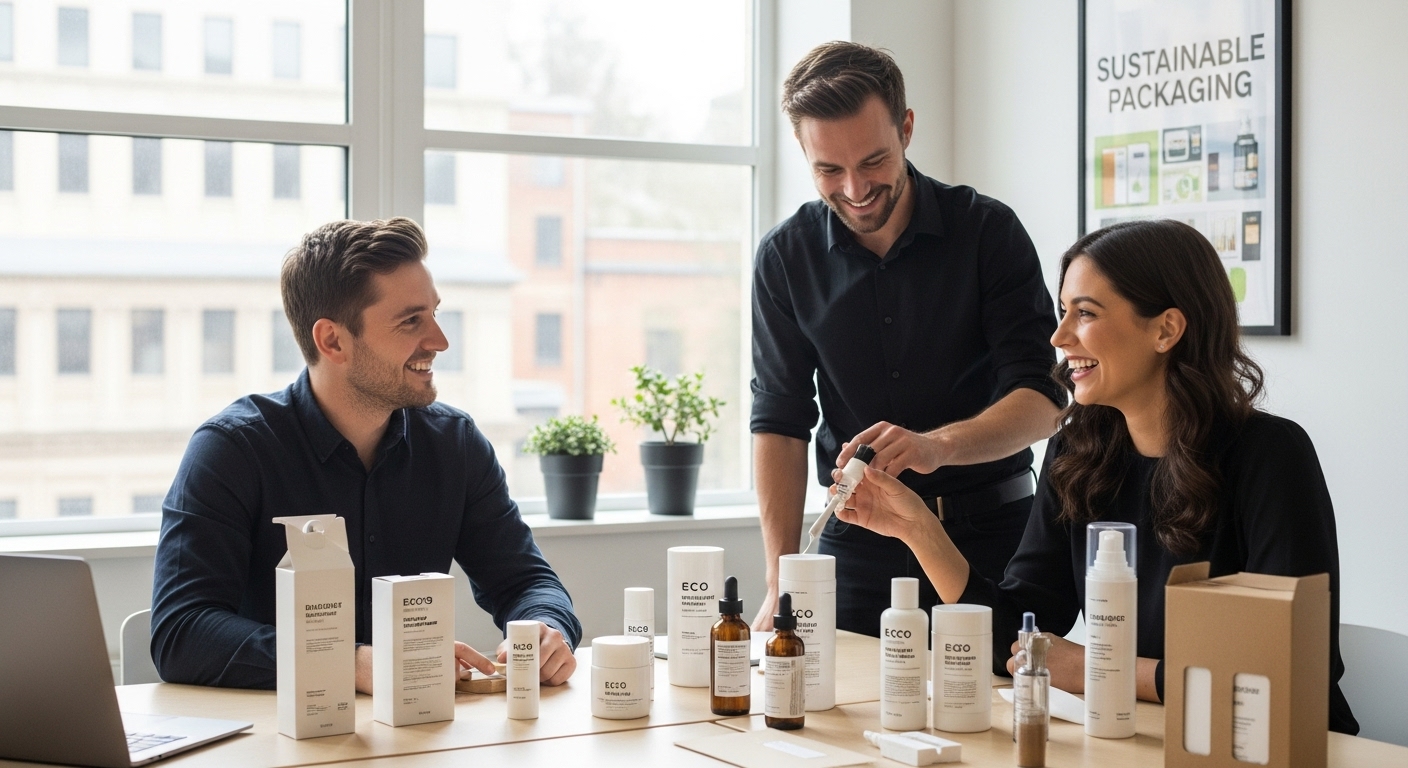
Beauty brands are churning out around 120 billion packaging units every year and most of this ends up in landfills or the ocean. That might sound like an unavoidable price for product protection and style. Actually, new sustainable packaging is flipping the script and proving that looking good no longer has to trash the planet.
Table of Contents
- Defining Sustainable Packaging In The Beauty Industry
- The Importance Of Sustainable Packaging For Consumers
- How Sustainable Packaging Works: Materials And Design
- Impact Of Sustainable Packaging On The Environment
- Trends And Innovations In Sustainable Packaging For Beauty
Quick Summary
| Takeaway | Explanation |
|---|---|
| Sustainable packaging reduces environmental impact | It minimizes waste and carbon emissions while promoting recycling and resource efficiency. |
| Consumer demand drives sustainable packaging innovations | Eco-conscious shoppers are influencing brands to adopt effective sustainable practices in packaging. |
| Investing in eco-friendly materials protects health | Brands using sustainable packaging also prioritize product quality and safety, avoiding harmful substances. |
| Recyclability and reuse are key design principles | Packaging should be designed for easy recycling or refilling, enhancing environmental benefits. |
| Transparency in sustainable practices is essential | Brands must provide clear evidence of their environmental commitments to meet consumer expectations. |
Defining Sustainable Packaging in the Beauty Industry
Sustainable packaging in the beauty industry represents a comprehensive approach to designing, producing, and managing product containers that minimize environmental impact while maintaining product integrity and consumer experience. According to research published in the Journal of Cleaner Production, the concept extends far beyond simple material selection, encompassing a holistic strategy that considers environmental, social, and economic sustainability throughout a product’s lifecycle.
Core Components of Sustainable Packaging
Sustainable packaging in beauty products involves several interconnected dimensions that transform traditional packaging practices. Environmental responsibility sits at the core of this approach, focusing on reducing waste, minimizing carbon footprint, and promoting circular economy principles. Key characteristics include:
- Using renewable or recycled materials
- Designing packaging for easy recyclability
- Reducing overall material consumption
- Minimizing energy required during production
Moreover, sustainable packaging goes beyond material selection. It requires a nuanced understanding of product lifecycle, from raw material extraction to end-of-life disposal. Research from Sustainability journal emphasizes that effective sustainable packaging communicates ecological properties through verbal, visual, and tactile elements, helping consumers make informed choices.
Challenges and Innovations
The beauty industry faces significant challenges in implementing truly sustainable packaging solutions. Traditional packaging often relies on complex, multi-material containers that are difficult to recycle. Innovative brands are now exploring alternative approaches such as:
- Biodegradable packaging materials
- Refillable and reusable container systems
- Packaging made from agricultural waste
- Minimalist design reducing overall material usage
While pursuing sustainable packaging, brands must balance environmental considerations with product protection, consumer expectations, and economic feasibility.
The table below compares traditional beauty packaging and sustainable packaging across several key dimensions to help clarify their differences and environmental impact.
| Aspect | Traditional Beauty Packaging | Sustainable Beauty Packaging |
|---|---|---|
| Materials Used | Petrochemical plastics, mixed metals | Bio-based, recycled, or renewable |
| Recyclability | Low (often multi-material, hard to sort) | High (designed for easy recycling) |
| Environmental Impact | High waste and carbon emissions | Reduced waste and carbon footprint |
| Product Preservation | Adequate, sometimes with chemical risk | Maintains integrity, fewer harmful chemicals |
| End-of-Life | Landfilled or incinerated | Recycled, composted, or reused |
| Consumer Perception | Functional, less eco-focused | Environmentally responsible, safer |
The Importance of Sustainable Packaging for Consumers
Consumers today are increasingly recognizing sustainable packaging as a critical factor in their purchasing decisions, transforming it from a niche concern to a mainstream expectation in the beauty industry. Research from the cosmetic packaging market analysis indicates that consumer demand is driving significant growth in eco-friendly packaging solutions, reflecting a profound shift in environmental consciousness.
Environmental Awareness and Consumer Motivation
Consumer awareness about environmental impact has become a powerful catalyst for change in the beauty industry. Modern consumers are no longer passive recipients of products but active participants in sustainability efforts. They understand that their purchasing choices directly influence corporate behavior and environmental outcomes. Key motivations driving this trend include:
- Reducing personal carbon footprint
- Supporting brands with transparent environmental commitments
- Minimizing plastic waste in landfills and oceans
- Promoting circular economy principles
Moreover, consumers are increasingly sophisticated in evaluating packaging claims. They seek genuine sustainability rather than superficial marketing tactics, demanding clear evidence of environmental responsibility from beauty brands.
Health and Quality Considerations
Sustainable packaging is not just an environmental statement but also a signal of product quality and safety. Consumers recognize that brands investing in sustainable packaging often demonstrate greater attention to overall product development and ingredient selection. The materials used in eco-friendly packaging are typically:
- Free from harmful chemical leachates
- More likely to be sourced from natural, non-toxic origins
- Designed with greater consideration for product preservation
- Engineered to maintain product integrity
By choosing products with sustainable packaging, consumers are making a holistic choice that extends beyond environmental concerns to personal health and product excellence. Explore luxury cosmetic brand innovations that are leading the way in sustainable packaging technologies and consumer-centric design.
How Sustainable Packaging Works: Materials and Design
Sustainable packaging in the beauty industry represents a sophisticated approach to material science and design engineering, transforming traditional packaging paradigms through innovative solutions.
Research on ecodesign approaches reveals that sustainable packaging goes beyond simple material substitution, involving comprehensive strategies that address environmental, functional, and aesthetic considerations.
Innovative Material Selection
Bio-based materials are at the forefront of sustainable packaging innovation, offering environmentally responsible alternatives to traditional petrochemical plastics. These advanced materials are derived from renewable sources and engineered to provide comparable performance to conventional packaging. Key characteristics of sustainable packaging materials include:
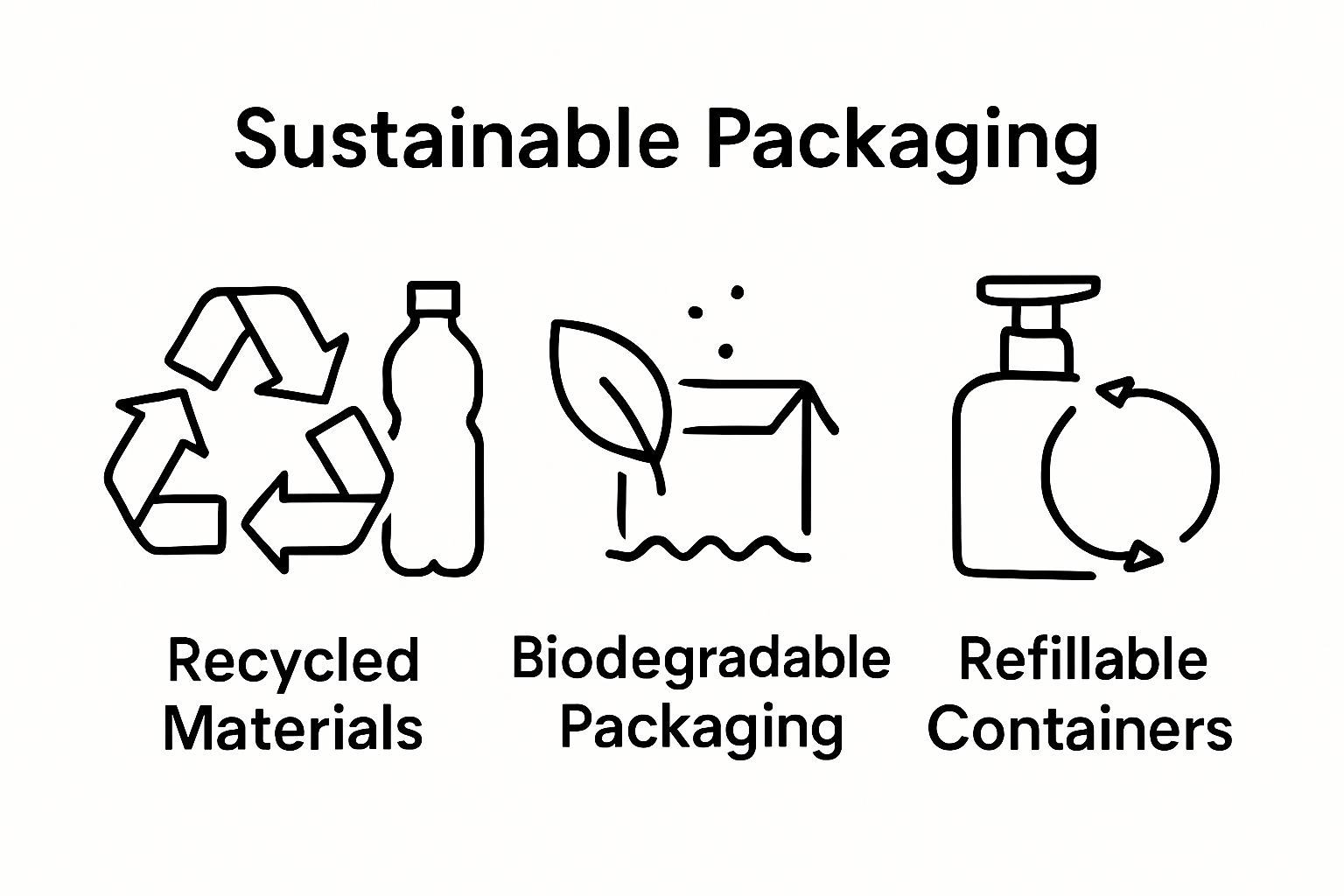
- Biodegradability and compostability
- Reduced carbon footprint during production
- Minimal environmental persistence
- Potential for circular economy integration
Innovative materials such as polysaccharides, plant-based polymers, and agricultural waste derivatives are increasingly replacing traditional packaging components. These materials not only reduce environmental impact but also demonstrate remarkable versatility in protecting and presenting beauty products.
This table summarizes some of the most innovative sustainable packaging materials currently being used in the beauty industry, along with their main characteristics.
| Material Type | Source | Key Characteristics |
|---|---|---|
| Seaweed-based polymers | Seaweed/algae | Biodegradable, compostable, water-resistant |
| Agricultural waste-derived | Crop residues, husks, stalks | Renewable, reduces landfill waste |
| Mushroom-based packaging | Fungi/mycelium | Moldable, compostable, minimal processing |
| Plant-derived cellulose | Wood pulp, cotton, bamboo | Plant-based, recyclable, clear or opaque |
| Biodegradable plastics | Corn starch, sugarcane | Compostable, alternative to petroplastics |
Design Principles and Functionality
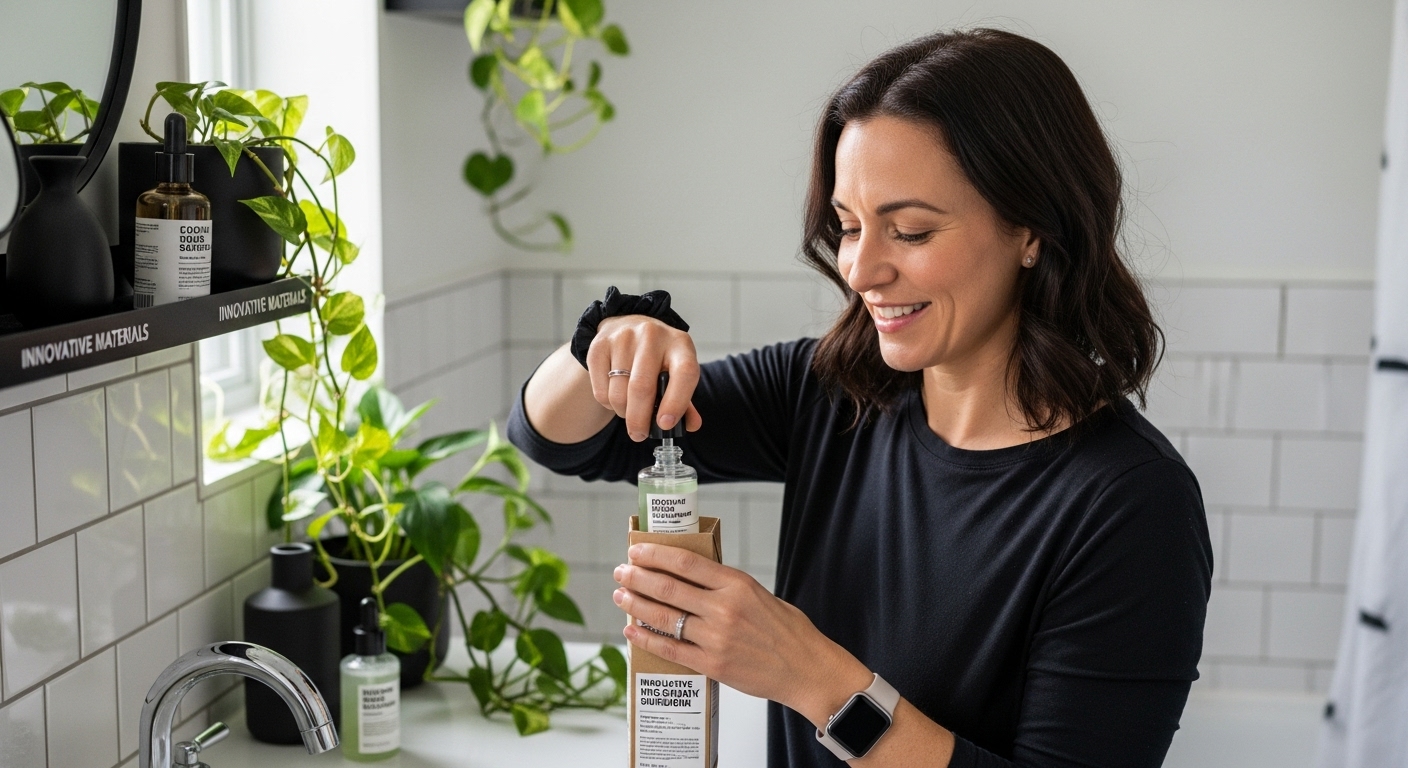
Sustainable packaging design transcends mere material selection, encompassing a holistic approach that considers product protection, user experience, and environmental responsibility. Ecodesign principles guide the development of packaging solutions that minimize waste while maintaining product integrity. Critical design considerations include:
- Minimalist packaging structures
- Modular and refillable container systems
- Reduced material complexity
- Enhanced recyclability and decomposition potential
Designers and engineers are developing packaging that communicates sustainability through visual and tactile elements, creating an integrated experience that resonates with environmentally conscious consumers. Read more about luxury cosmetic brand innovations that are pioneering advanced sustainable packaging technologies.
Impact of Sustainable Packaging on the Environment
The environmental implications of packaging in the beauty industry are profound and far-reaching. Research from global waste management studies reveals that the beauty sector generates approximately 120 billion packaging units annually, with an overwhelming majority ending up in landfills, oceans, and other ecological systems, creating significant environmental challenges.
Waste Reduction and Carbon Footprint
Sustainable packaging represents a critical intervention in mitigating environmental degradation. By reimagining packaging design and material selection, the beauty industry can dramatically reduce its ecological impact. Key environmental benefits include:
- Significant reduction in non-biodegradable waste
- Decreased carbon emissions during production
- Lower energy consumption in manufacturing processes
- Minimized extraction of virgin raw materials
Traditional petrochemical packaging relies on fossil fuel derivatives that persist in environmental systems for hundreds of years. In contrast, sustainable packaging materials are engineered to decompose more rapidly, dramatically reducing long-term environmental contamination.
Ecosystem Protection and Biodiversity
Beyond waste reduction, sustainable packaging plays a crucial role in protecting global ecosystems and biodiversity. Innovative packaging solutions prevent microplastic pollution, reduce chemical leaching, and support more holistic environmental conservation strategies. Critical ecosystem protection mechanisms include:
- Preventing marine life contamination
- Reducing soil and water pollution
- Supporting natural decomposition processes
- Minimizing harmful chemical interactions with natural environments
By choosing sustainable packaging, beauty brands demonstrate a commitment to environmental stewardship that extends far beyond marketing rhetoric. Read more about luxury cosmetic brand innovations that are pioneering transformative environmental protection strategies through advanced packaging technologies.
Trends and Innovations in Sustainable Packaging for Beauty
Research from the Organisation for Economic Co-operation and Development highlights that the beauty industry is experiencing a transformative shift in packaging technologies, driven by environmental consciousness and technological advancements. These innovations are reshaping how beauty brands approach product design, material selection, and ecological responsibility.
Advanced Material Technologies
Cutting-edge biomaterials are revolutionizing sustainable packaging solutions, offering unprecedented alternatives to traditional petroleum-based packaging. These innovative materials are engineered to provide superior performance while minimizing environmental impact. Key breakthrough materials include:
- Seaweed-based biodegradable polymers
- Agricultural waste-derived packaging
- Mushroom-based packaging structures
- Plant-derived cellulose packaging
These advanced materials not only reduce environmental footprint but also demonstrate remarkable versatility in protecting and presenting beauty products. By utilizing renewable resources, brands can create packaging that is both functional and environmentally responsible.
Smart and Circular Packaging Design
Intelligent packaging systems are emerging as a significant trend, integrating technology and sustainability to create more efficient, interactive product containers. These innovations go beyond traditional packaging functions, incorporating features that enhance user experience and environmental sustainability. Emerging design principles include:
- Refillable and modular packaging systems
- QR codes for recycling instructions
- Packaging with embedded seed technology
- Multi-use container designs
The circular economy approach is transforming packaging from a single-use item to a resource with multiple lifecycle potentials. Learn about our luxury product innovations that are pioneering these advanced sustainable packaging technologies and setting new industry standards.
Choose Beauty with a Purpose: Discover Eco-Friendly Solutions at Jag Couture Beauty
You care about what goes into your beauty products, and now sustainability matters more than ever. The article highlighted the growing demand for sustainable packaging that reduces waste, uses renewable materials, and demonstrates real commitment to environmental responsibility. If you are looking for ways to lessen your impact—without sacrificing luxury—this is your moment to act. At Jag Couture Beauty, we showcase a curated range of premium beauty and cosmetic essentials that embrace these principles. Our product selections feature brands focused on biodegradable packaging, refillable containers, and innovative eco-designs so you never have to choose between sustainability and sophistication.
 Ready to make your self-care routine both beautiful and planet-friendly? Visit Jag Couture Beauty now to explore our latest arrivals and experience sustainable luxury firsthand. Looking for inspiration? Learn how today’s luxury cosmetic brands are leading the way in sustainable packaging or see our premium skincare routine box in action. Make your next beauty purchase a choice that truly reflects your values—shop with us today.
Frequently Asked Questions
What is sustainable packaging in the beauty industry?
Sustainable packaging in the beauty industry refers to designing and managing product containers that minimize environmental impact while maintaining product integrity. This approach focuses on using renewable or recycled materials and promoting circular economy principles throughout the packaging lifecycle.
How does sustainable packaging impact consumer purchasing decisions?
Consumers increasingly view sustainable packaging as an essential factor in their buying choices. Many prefer to support brands that demonstrate transparency in their environmental commitments, reflect their values regarding waste reduction, and offer products that contribute to minimizing pollution.
What are the main challenges brands face in implementing sustainable packaging?
Many brands struggle with traditional packaging that features complex, multi-material designs that are often difficult to recycle. Balancing environmental sustainability with product protection and consumer expectations also presents significant challenges in the beauty industry.
What materials are commonly used in sustainable packaging for beauty products?
Sustainable packaging often utilizes bio-based materials such as biodegradable plastics, plant-based polymers, and materials derived from agricultural waste. These options reduce environmental impact while providing the necessary durability and functionality for beauty products.