


Understanding Why Choose Organic Makeup for Your Beauty Needs
Geposted von MEET am

Organic makeup has taken the beauty world by storm, promising safer choices and cleaner ingredients. Yet most people do not realize that organic cosmetics can cut your exposure to synthetic chemicals by up to 90 percent compared to regular makeup. But surprisingly, the biggest difference is not just the ingredient list. It is about changing the way you think about your health and the planet every time you reach for your favorite compact.
Table of Contents
- What Is Organic Makeup And How Is It Different?
- The Importance Of Ingredients: Understanding Organic Vs. Conventional
- Why Choose Organic Makeup: Benefits For Skin And Health
- The Environmental Impact Of Organic Ingredients In Cosmetics
- How To Identify Authentic Organic Makeup Products
Quick Summary
| Takeaway | Explanation |
|---|---|
| Organic makeup uses natural ingredients | Crafted from plant-based materials, it avoids synthetic additives and pesticides for a safer beauty option. |
| Prioritizes health and skin safety | Reduces exposure to harmful chemicals like parabens and synthetic fragrances that can irritate the skin. |
| Supports environmental sustainability | Uses eco-friendly agricultural practices that preserve soil health and minimize ecological impact. |
| Verify product authenticity through certifications | Look for USDA Organic seals and ingredient transparency to ensure genuine organic products. |
| Gentler formulations for sensitive skin | Organic makeup is often free from harsh chemicals, making it suitable for individuals with sensitive skin types. |
What is Organic Makeup and How is it Different?
Organic makeup represents a revolutionary approach to beauty products that prioritizes natural ingredients, sustainable practices, and human health. Unlike traditional cosmetics loaded with synthetic chemicals, organic makeup offers a cleaner, more transparent alternative for consumers seeking safer beauty solutions.
The Core Definition of Organic Makeup
Organic makeup refers to cosmetic products formulated with ingredients grown and processed without synthetic pesticides, chemical fertilizers, or genetically modified organisms. These products are crafted using naturally derived ingredients that undergo minimal processing, ensuring maximum purity and minimal environmental impact. According to research from the National Institutes of Health, organic cosmetics significantly reduce exposure to potentially harmful synthetic substances commonly found in conventional beauty products.
Key characteristics of organic makeup include:
- Ingredients sourced from certified organic agricultural practices
- Absence of synthetic preservatives, fragrances, and artificial colors
- Minimal chemical processing and refinement
- Strict adherence to organic certification standards
Differentiating Organic Makeup from Conventional Cosmetics
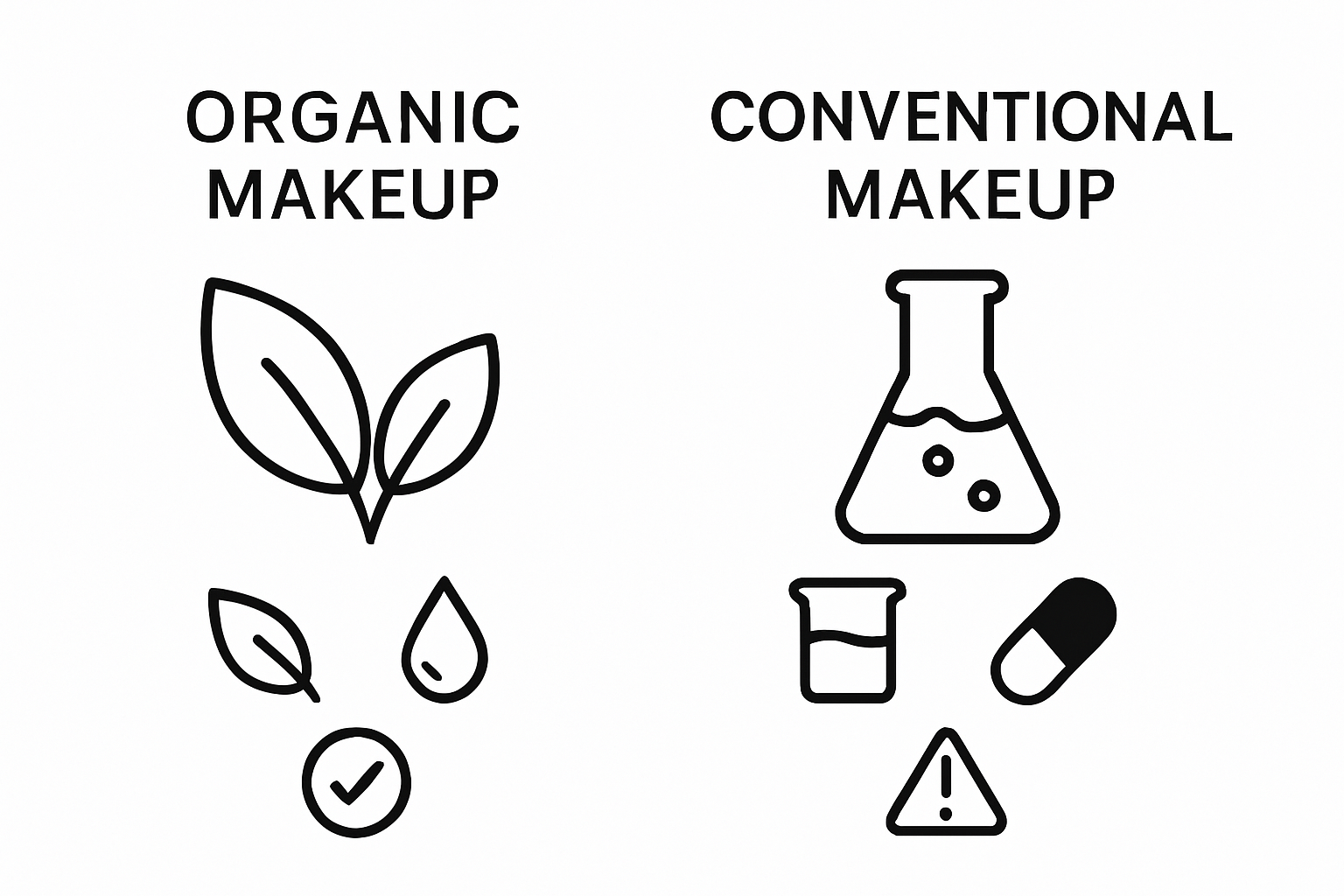
The primary distinction between organic and traditional makeup lies in ingredient sourcing, production methods, and overall product philosophy. Conventional makeup often contains petrochemicals, parabens, and artificial additives that can potentially irritate skin or disrupt hormonal balance. Organic makeup, by contrast, focuses on natural, plant-based ingredients that offer gentle yet effective beauty solutions.
Consumers choosing organic makeup benefit from products that are not only safer for personal use but also support sustainable agricultural practices. The commitment to organic principles extends beyond individual product formulations, representing a holistic approach to beauty that considers environmental and health implications.
Understanding organic makeup means recognizing it as more than just a trend – it is a conscious choice toward healthier, more responsible personal care that respects both individual wellness and global ecological systems.
The Importance of Ingredients: Understanding Organic vs. Conventional
Ingredients form the fundamental backbone of any makeup product, determining not just its performance but also its potential impact on personal health and environmental sustainability. The stark contrast between organic and conventional makeup ingredients reveals critical differences that go far beyond surface-level aesthetics.
Chemical Composition and Health Implications
Conventional makeup often contains a complex array of synthetic chemicals designed to enhance texture, color, and shelf life. According to scientific research published in the National Center for Biotechnology Information, these ingredients can potentially trigger significant health concerns. Synthetic additives like parabens, phthalates, and artificial preservatives have been linked to hormonal disruptions, skin irritations, and potential long-term cellular changes.
Key potentially harmful ingredients in conventional makeup include:
- Parabens (preservatives linked to endocrine disruption)
- Synthetic fragrances with undisclosed chemical compositions
- Petroleum-based mineral oils
- Artificial colorants and stabilizers
- Chemical sunscreens with potential cellular toxicity
Natural Alternatives and Ingredient Transparency
Organic makeup takes a fundamentally different approach by prioritizing ingredients derived from natural, minimally processed sources. These products emphasize plant-based extracts, essential oils, and minerals that provide beauty benefits without introducing synthetic chemicals into the body. The ingredient list in organic makeup is typically shorter, more transparent, and easier for consumers to understand.
Natural ingredients offer multiple advantages. They are often rich in vitamins, antioxidants, and nutrients that nourish skin while providing cosmetic coverage. Moreover, organic makeup ingredients are typically sourced through sustainable agricultural practices, reducing environmental impact and supporting ecological balance.
By choosing makeup with carefully selected, pure ingredients, consumers make a proactive decision to protect their health, support responsible production methods, and contribute to a more sustainable beauty ecosystem.
The ingredient choice is no longer just about appearance but about holistic wellness and environmental consciousness.
Why Choose Organic Makeup: Benefits for Skin and Health
Organic makeup transcends mere cosmetic application, representing a holistic approach to personal wellness that prioritizes skin health, environmental sustainability, and individual safety. By selecting organic beauty products, consumers make a proactive choice to minimize exposure to potentially harmful synthetic chemicals while nurturing their skin with pure, natural ingredients.
Skin Health and Protective Benefits
The human skin acts as a complex, permeable barrier that can absorb a significant percentage of topically applied substances. According to research from the American Cosmetic Association, organic makeup reduces the risk of skin irritation, allergic reactions, and long-term cellular damage associated with synthetic chemical exposure. Natural ingredients offer inherent protective and regenerative properties that support skin’s natural balance and resilience.
Key skin health advantages of organic makeup include:
- Reduced risk of chemical-induced inflammation
- Enhanced natural skin barrier protection
- Higher concentration of antioxidants and nutrients
- Gentler formulations for sensitive skin types
- Minimized potential for hormonal disruptions
Holistic Wellness and Environmental Impact
Choosing organic makeup extends beyond personal health benefits, representing a commitment to broader ecological sustainability. Organic beauty products are typically produced using environmentally friendly agricultural practices that minimize chemical pesticide usage, reduce water pollution, and support biodiversity. The production process emphasizes sustainable sourcing, ethical manufacturing, and reduced carbon footprint.
Moreover, organic makeup ingredients are often sourced from responsible agricultural practices that support local farming communities and promote regenerative environmental strategies. By selecting these products, consumers participate in a larger ecosystem of wellness that connects personal health with global environmental stewardship.
The decision to choose organic makeup is fundamentally about making informed, conscious choices that prioritize long-term health, environmental responsibility, and personal well-being.
Below is a table summarizing the advantages of choosing organic makeup for personal health and environmental sustainability.
| Benefit Area | Organic Makeup Advantage |
|---|---|
| Skin Health | Reduces risk of inflammation, irritation, and allergic reactions |
| Antioxidant & Nutrient Value | Provides vitamins, nutrients, and antioxidants for healthier skin |
| Hormone Disruption | Minimizes exposure to hormone-disrupting additives |
| Environmental Sustainability | Supports soil health, reduces pollution, and protects biodiversity |
| Chemical Exposure | Cuts exposure to synthetic chemicals by up to 90 percent |
| Ethical Sourcing | Promotes fair trade and responsible farming communities |
| It represents a sophisticated understanding that beauty is not just about external appearance, but about nurturing oneself and the planet through mindful, intentional product selection. |
The Environmental Impact of Organic Ingredients in Cosmetics
The cosmetics industry plays a significant role in global environmental sustainability, with organic ingredients emerging as a powerful pathway toward reducing ecological harm. Understanding the environmental implications of ingredient sourcing and production reveals the profound connection between beauty products and planetary health.
Sustainable Agricultural Practices
Organic cosmetic ingredients represent a fundamental shift from traditional agricultural methods that rely heavily on synthetic chemicals. According to research exploring consumer environmental consciousness, organic ingredient production dramatically reduces environmental degradation through responsible farming techniques. These practices prioritize soil health, biodiversity preservation, and minimal chemical intervention.
Key environmental benefits of organic ingredient production include:
- Elimination of synthetic pesticide and fertilizer usage
- Preservation of soil microbiome and ecosystem integrity
- Reduced water contamination from agricultural runoff
- Protection of local wildlife and pollinator populations
- Minimized carbon emissions from industrial farming processes
Carbon Footprint and Resource Conservation
The production of organic cosmetic ingredients requires significantly less energy and generates fewer greenhouse gas emissions compared to conventional agricultural methods. By avoiding synthetic chemical inputs, organic farming reduces the overall carbon footprint associated with ingredient sourcing. These practices support a circular economy model that emphasizes regenerative agricultural systems and minimal environmental disruption.
Furthermore, organic ingredient production promotes water conservation, soil regeneration, and biodiversity protection. Farmers utilizing organic methods work in harmony with natural ecosystems, creating a sustainable approach that balances human needs with environmental preservation.
Choosing organic cosmetics represents more than a personal beauty preference. It is a deliberate commitment to supporting ecological balance, reducing environmental stress, and participating in a global movement toward more responsible, sustainable production practices that honor the delicate interconnectedness of our planetary systems.
How to Identify Authentic Organic Makeup Products
Navigating the complex landscape of organic makeup requires consumers to develop a discerning eye for authentic, high-quality products. With increasing market saturation and misleading marketing claims, understanding how to verify the legitimacy of organic cosmetics becomes crucial for making informed purchasing decisions.
Certification and Labeling Standards
Accurate identification of genuine organic makeup starts with understanding official certification processes. According to research from the Environmental Working Group, consumers should prioritize products bearing recognized organic certification seals. The United States Department of Agriculture (USDA) provides the most rigorous organic certification, which requires products to meet strict agricultural and processing standards.
Key certification indicators to look for include:
- USDA Organic seal
- NSF/ANSI 305 certification for personal care products
- Explicit percentage of organic ingredients (70% or higher)
- Third-party verification from recognized organic standard organizations
- Transparent ingredient listings with botanical origins clearly stated
Ingredient Transparency and Verification
Authentic organic makeup goes beyond marketing claims, demanding complete ingredient transparency. Consumers should carefully examine product labels, looking for natural, recognizable ingredients derived from organic agricultural sources. For those seeking additional insights, read more about radiant organic skincare to understand the nuances of ingredient selection.
Most reputable organic makeup brands will provide detailed information about ingredient sourcing, including:
- Scientific names of botanical ingredients
- Origin of organic agricultural components
- Minimal processing techniques
- Absence of synthetic preservatives and chemical additives
- Comprehensive explanation of extraction methods
Choosing authentic organic makeup requires active consumer engagement. By understanding certification standards, examining ingredient lists critically, and supporting brands committed to genuine organic practices, individuals can make beauty choices that align with their health and environmental values. The journey towards authentic organic cosmetics is not just about purchasing a product but embracing a holistic approach to personal care that respects both personal wellness and ecological sustainability.
Choose Organic Beauty with Confidence at Jag Couture Beauty
Are you searching for makeup that truly cares for your skin and the planet? The article highlights how traditional cosmetics can leave you exposed to harsh chemicals, skin irritation, and long-term health concerns. If you want ingredient transparency, gentle formulas, and sustainable beauty, making the switch to organic makeup is the way forward. Discover the difference that authentic, certified organic products can make for your skin’s health and your peace of mind.

See for yourself how easy it is to put your wellness first. Visit Jag Couture Beauty to explore our curated selection of organic makeup and skincare essentials. Our user-friendly site offers personalized recommendations, featured products, and a smooth shopping experience on any device. Embrace beauty that is as genuine as you are—choose organic today and notice the change. Shop our collection and start your journey to healthy, radiant skin.
Frequently Asked Questions
What is organic makeup?
Organic makeup refers to cosmetic products made with ingredients that are grown and processed without synthetic pesticides, chemical fertilizers, or genetically modified organisms. These products emphasize natural, minimally processed ingredients for enhanced purity and minimal environmental impact.
How does organic makeup differ from conventional cosmetics?
The primary difference lies in the ingredients and production methods. While conventional cosmetics often include synthetic chemicals that can irritate the skin, organic makeup uses plant-based ingredients aimed at providing safer, gentler beauty solutions without harmful additives.
What are the benefits of using organic makeup for skin health?
Organic makeup minimizes exposure to harmful synthetic ingredients, reducing the risk of skin irritation and allergic reactions. It often contains natural antioxidants and nutrients that nourish the skin, offering protective benefits and supporting a healthy skin barrier.
How can I identify authentic organic makeup products?
To identify authentic organic makeup, look for recognized certification seals like the USDA Organic seal. Additionally, check for transparent ingredient lists, verified botanical origins, and minimal chemical processing to ensure the product meets organic standards.