


Ultimate Skincare Workflow for Dry Skin in 2025
Publicado por MEET en

Dry, tight, or flaky skin can turn a simple skincare routine into a daily struggle. Even when you moisturize, nothing seems to fully quench that thirsty feeling and patches keep returning. But here’s what surprises most people. Hyaluronic acid can actually hold up to 1000 times its weight in water, making it a powerhouse in restoring deep hydration. The secret is not just what you put on your skin, but how you assess, prepare, and apply each step. Once you know the right workflow, your skin can finally reclaim that smooth, healthy glow you’ve been missing.
Table of Contents
- Step 1: Assess Your Current Skin Condition
- Step 2: Select Hydrating Products For Your Regimen
- Step 3: Prepare Your Skin For Application
- Step 4: Apply Products In The Correct Order
- Step 5: Monitor Skin’s Response And Adjust Routine
Quick Summary
| Key Point | Explanation |
|---|---|
| 1. Assess your skin condition first | Thoroughly analyze your current skin state to understand its unique hydration needs before starting any new treatments. |
| 2. Select products with key hydrating ingredients | Choose products containing ingredients like hyaluronic acid and ceramides for effective moisture retention and barrier protection. |
| 3. Prepare skin before applying products | Cleanse your skin gently with lukewarm water and pat dry to create an optimal environment for product absorption. |
| 4. Apply products in the correct order | Use a layered approach, starting with lighter formulations and ending with heavier occlusives for maximum hydration efficiency. |
| 5. Continuously monitor and adjust your routine | Keep a journal to track your skin’s response and make incremental changes based on observations to enhance hydration results. |
Step 1: Assess Your Current Skin Condition
Understanding your skin’s unique characteristics is the foundational cornerstone of an effective skincare workflow for dry skin. Before diving into product selections and treatment strategies, you need a comprehensive assessment that provides clear insights into your skin’s current condition, challenges, and specific hydration requirements.
Identifying Dry Skin Indicators
Recognizing dry skin goes beyond simple surface observations. Look for telltale signs such as tight skin feeling, visible flakiness, rough texture, increased sensitivity, and occasional redness or inflammation. These symptoms suggest your skin’s natural moisture barrier has been compromised and requires strategic intervention.
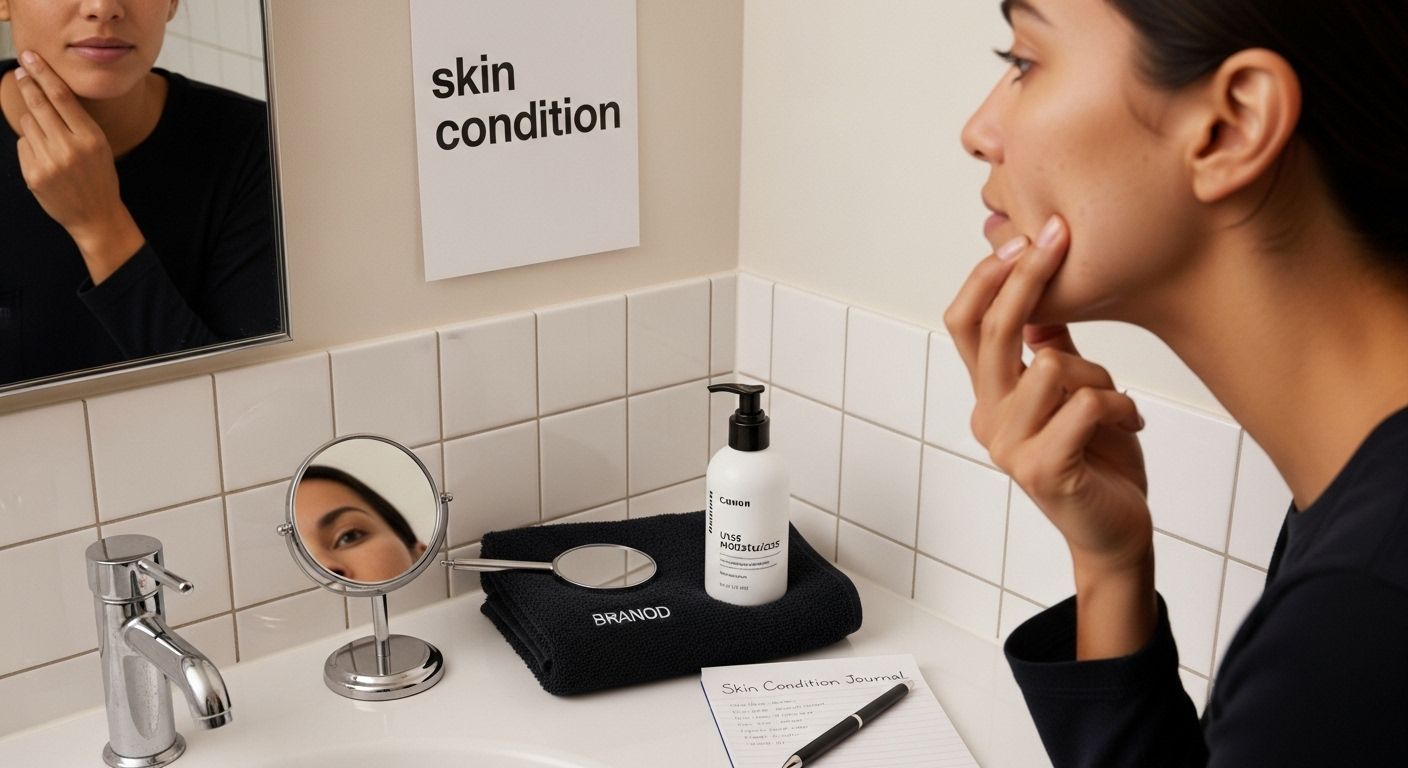
Conducting a thorough skin assessment involves multiple diagnostic approaches. Begin by examining your skin in natural, soft lighting using a clean mirror. Gently stretch a small section of skin and observe how it responds. Healthy, hydrated skin will bounce back quickly, while dry skin might appear less elastic and take longer to return to its original position.
Professional and At Home Evaluation Techniques
While self assessment provides initial insights, consider complementing your observations with professional guidance. A dermatologist or licensed esthetician can perform detailed skin analysis using advanced diagnostic tools. These professionals utilize specialized equipment to measure moisture levels, assess skin barrier function, and recommend targeted interventions.
For at home evaluation, create a simple diagnostic kit with key tools:
- Clean, soft towel
- Magnifying mirror
- Natural daylight or soft, even lighting
- Unscented moisturizer
- Skin condition tracking journal
Document your findings systematically. Note texture changes, sensitivity levels, and how your skin responds to different environmental conditions. Track these observations over several weeks to establish comprehensive insights into your skin’s behavior.
Below is a checklist table to help ensure you have all the necessary tools for a thorough at-home dry skin assessment, as outlined in the article.
| Tool/Material | Purpose |
|---|---|
| Clean, soft towel | Gently pat skin dry and avoid irritation |
| Magnifying mirror | Closely examine skin texture and flakiness |
| Natural daylight or soft, even lighting | Accurately observe true skin condition |
| Unscented moisturizer | Test skin response to hydration |
| Skin condition tracking journal | Record observations for ongoing reference |
Remember that skincare is not a one size fits all approach. Your unique skin condition requires personalized attention and a nuanced understanding of its specific needs.
The following troubleshooting table summarizes common dry skin signs you may encounter, possible underlying causes, and suggested action steps, based on the article’s guidance.
| Symptom | Possible Cause | Suggested Action |
|---|---|---|
| Flakiness | Lack of hydration, harsh cleansing | Use a gentle cleanser and apply hydrating serum |
| Tightness | Stripped natural oils, hot water | Cleanse with lukewarm water, add rich moisturizer |
| Redness/Inflammation | Compromised moisture barrier | Incorporate ceramides, avoid irritating products |
| Rough texture | Insufficient exfoliation or moisture | Introduce mild exfoliant, layer hydrating products |
| Increased Sensitivity | Overuse of new products | Introduce products gradually, monitor response |
| By investing time in thorough assessment, you’re setting the stage for a targeted, effective skincare workflow that addresses your dry skin challenges with precision and care. |
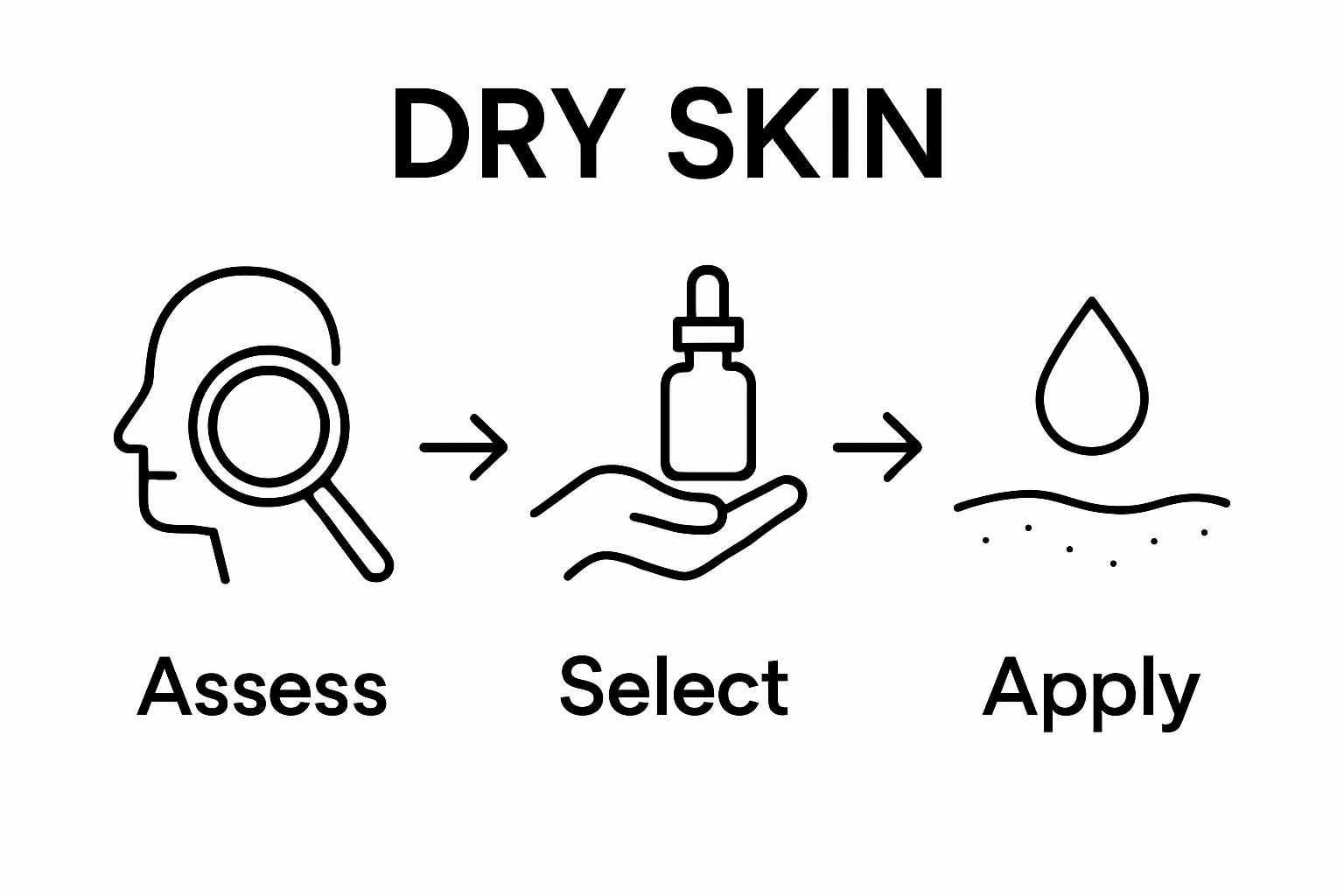
As Harvard Health Publishing suggests, comprehensive skin evaluation is the first critical step in developing an effective skincare strategy.
Step 2: Select Hydrating Products for Your Regimen
Selecting the right hydrating products transforms your skincare workflow for dry skin from a basic routine into a targeted, scientifically informed approach. After thoroughly assessing your skin condition, the next critical phase involves curating a product lineup that addresses your specific moisture needs with precision and care.
Understanding Key Hydration Ingredients
Successful product selection hinges on understanding the core ingredients that genuinely restore and maintain skin hydration. Hyaluronic acid emerges as a powerhouse ingredient, capable of holding up to 1000 times its weight in water. This molecular marvel penetrates deep into skin layers, creating a reservoir of moisture that helps plump and revitalize dry, tired skin. Ceramides represent another crucial component, acting as the body’s natural moisture barrier reinforcement. These lipid molecules help seal in hydration, preventing water loss and protecting against environmental stressors.
When building your hydration arsenal, prioritize products that combine multiple moisture-binding ingredients. Look for formulations that blend humectants like glycerin and hyaluronic acid with occlusive agents such as squalane or ceramides. These strategic combinations create a multi-layered approach to skin hydration, ensuring your skin receives both immediate and sustained moisture support.
Navigating Product Selection Strategies
Developing your personalized hydration regimen requires a methodical approach. Start by selecting a gentle, non stripping cleanser that maintains your skin’s natural moisture balance. Follow this with a hydrating serum containing concentrated active ingredients. Your moisturizer should be the final layer, providing a protective seal that locks in the previous hydration steps.
Consider creating a comprehensive product evaluation checklist:
- Ingredient compatibility with your skin type
- Fragrance free formulations
- Non comedogenic texture
- Dermatologist recommended brands
- Clinical testing results
Remember that product introduction should be gradual. Incorporate one new product at a time, allowing your skin several weeks to adjust and respond. This approach helps you identify which products truly enhance your skin’s hydration and which might trigger sensitivity.
Pay close attention to your skin’s response during this process. Signs of successful hydration include improved skin elasticity, reduced flakiness, and a more uniform, smooth skin texture. Any persistent irritation or discomfort signals the need to reassess your product selections.
As Journal of Drugs in Dermatology research confirms, strategic product selection can significantly improve skin hydration and overall skin health, making this step a critical component of your skincare workflow.
Step 3: Prepare Your Skin for Application
Preparing your skin for product application is a critical yet often overlooked step in your skincare workflow for dry skin. This preparatory phase sets the foundation for maximum product absorption, ensuring that every carefully selected hydrating ingredient penetrates deeply and effectively.
Cleansing and Priming Techniques
Begin by creating an optimal canvas for your skincare products. Water temperature matters significantly in this preparation process. Avoid using hot water, which can strip your skin of its natural oils and exacerbate dryness. Instead, opt for lukewarm water that gently opens pores without causing unnecessary stress to your skin barrier. Cleanse using gentle, circular motions with your fingertips, avoiding harsh scrubbing that can cause micro abrasions and increase skin sensitivity.
The key to successful preparation lies in creating a balanced skin environment. After cleansing, gently pat your skin dry with a soft, clean towel. Avoid aggressive rubbing, which can cause unnecessary friction and potential irritation. Your skin should feel clean but not tight or stripped of its natural moisture. This delicate balance is crucial for maximizing the effectiveness of subsequent hydration products.
Optimal Application Environment and Techniques
Create a dedicated skincare application ritual that sets the stage for maximum product efficacy. Choose a clean, well lit area with a comfortable room temperature. Ideal application occurs when your skin is slightly damp, allowing hydrating products to lock in additional moisture. Consider using a facial mist or hydrating toner immediately before your moisturizer to create an extra layer of hydration.
Prepare your application tools and products in advance:
- Clean hands or soft application brush
- Soft, lint free towel
- Room temperature skincare products
- Natural light for accurate product assessment
- Comfortable seating or standing area
Master the art of product application through gentle, upward patting motions. This technique helps stimulate circulation while ensuring even product distribution. Pay special attention to typically drier areas like cheeks, around the eyes, and neck. The goal is to create a uniform moisture barrier that protects and nourishes your skin throughout the day.
Verify your preparation’s success by assessing your skin’s immediate response. Properly prepared skin will feel soft, smooth, and slightly dewy without any signs of redness or irritation. Your products should glide smoothly, absorbing quickly without leaving a heavy or greasy residue.
As National Institutes of Health research indicates, proper skin preparation significantly enhances the effectiveness of topical treatments, making this step a crucial component of your skincare strategy.
Step 4: Apply Products in the Correct Order
The strategic sequence of product application transforms a simple skincare routine into a sophisticated hydration workflow for dry skin. Your carefully selected products can only deliver maximum benefits when applied in a precise, thoughtful order that respects your skin’s complex absorption mechanisms.
Understanding Product Layer Dynamics
Product consistency is the golden rule of application order. Begin with the lightest, most water based formulations and progress toward heavier, more occlusive products. This approach ensures that each layer penetrates effectively, preventing barriers that could block absorption of critical hydrating ingredients. Think of your skincare routine as a carefully choreographed dance, where each product plays a specific role in nourishing and protecting your skin.
Start with water based toners or essences that provide initial hydration and prepare your skin for subsequent treatments. These lightweight formulations act as perfect primers, creating a receptive environment for more concentrated serums. Hyaluronic acid based products should follow immediately, as their molecular structure allows deep penetration and maximum moisture retention.
Precision Application Techniques
Mastering the art of product layering requires patience and a methodical approach. Apply each product using gentle patting motions, allowing complete absorption before introducing the next layer. This technique prevents product pilling and ensures each carefully selected ingredient can interact optimally with your skin.
Consider creating a structured application checklist:
- Clean hands or soft application tools
- Consistent upward and outward application motions
- Pause between product layers for absorption
- Avoid excessive rubbing or dragging
- Monitor skin’s immediate response to each product
Serum application demands particular attention. These concentrated treatments should be applied sparingly, focusing on areas of specific concern. Your moisturizer acts as the sealing layer, locking in the active ingredients and providing a protective barrier against environmental stressors. For nighttime routines, consider incorporating a slightly richer cream that supports overnight skin recovery.
Verify your application’s success by observing how your skin responds. Properly layered products will absorb smoothly, leaving your skin feeling hydrated but not greasy. Your skin should appear plump, smooth, and have a subtle, healthy radiance. Any signs of product buildup, irritation, or uneven absorption indicate a need to adjust your application technique or product sequence.
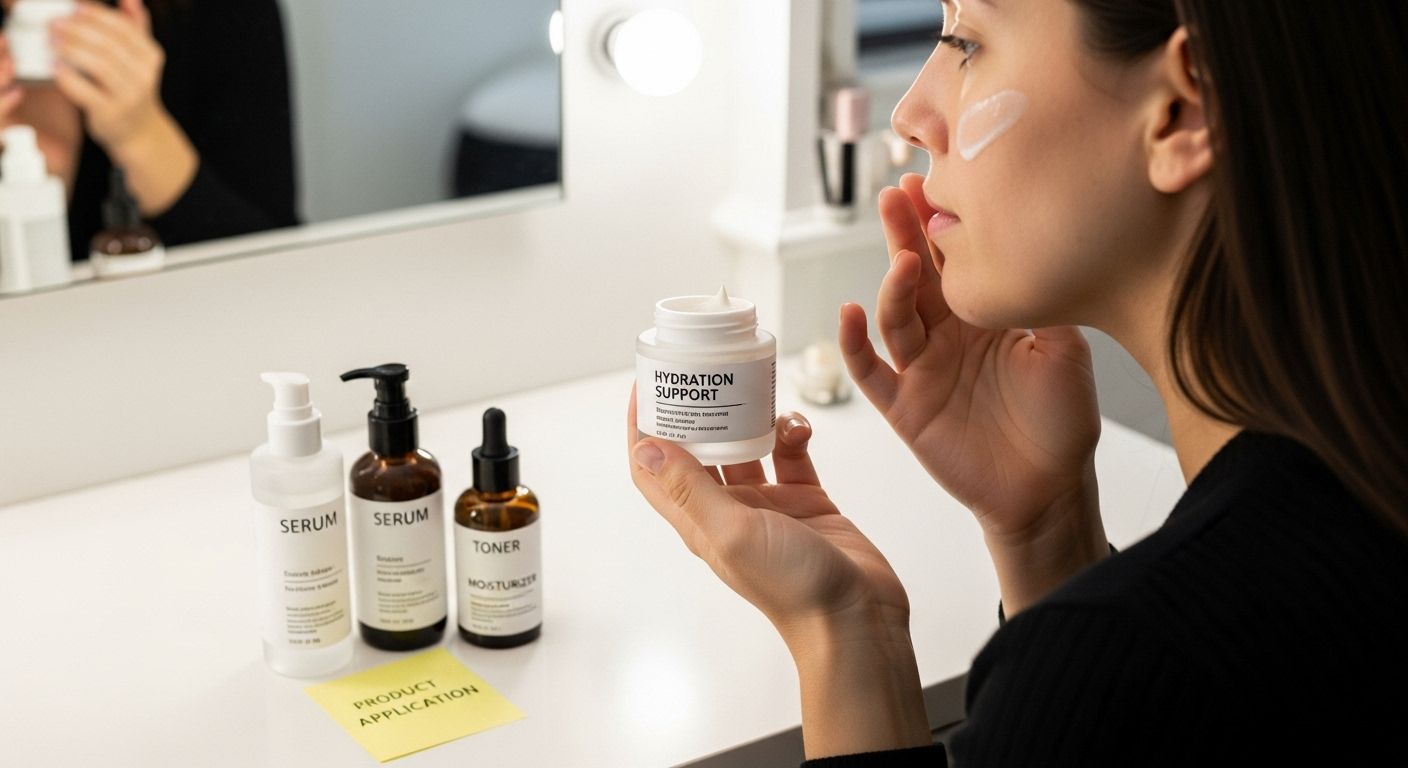
As Journal of Clinical and Aesthetic Dermatology research confirms, the order of product application is crucial for maximizing skincare effectiveness, particularly for individuals managing dry skin conditions.
Step 5: Monitor Skin’s Response and Adjust Routine
Monitoring your skin’s response represents the most dynamic and personalized phase of your skincare workflow for dry skin. This critical step transforms your routine from a static regimen into a responsive, adaptive strategy that evolves with your skin’s changing needs and environmental challenges.
Establishing a Comprehensive Tracking System
Documentation becomes your most powerful diagnostic tool. Create a dedicated skincare journal that goes beyond simple product logs. Capture detailed observations about your skin’s texture, hydration levels, sensitivity, and overall appearance. Note environmental factors like humidity, temperature, and stress levels that might influence your skin’s condition. This holistic approach provides deeper insights into how your skin responds to different products and external stimuli.
Photographic documentation offers an objective method of tracking progress. Take consistent, well lit photographs under the same conditions every two weeks. Use natural lighting and maintain a neutral facial expression to capture genuine skin texture and hydration changes. These visual records help you identify subtle transformations that might be challenging to perceive day to day.
Interpreting Skin Signals and Making Strategic Adjustments
Learn to distinguish between normal skin adaptation and potential adverse reactions. Mild tingling or temporary increased sensitivity can indicate active ingredient effectiveness. However, persistent redness, burning sensations, or increased dryness signal the need for immediate routine modification. Your skin communicates through these signals, and developing intuitive listening skills becomes crucial.
Consider establishing a systematic evaluation framework:
- Weekly skin texture assessment
- Monthly photographic documentation
- Tracking environmental and lifestyle influences
- Recording product interactions and skin responses
- Noting any emerging skin concerns
Be prepared to make incremental adjustments. This might involve reducing product frequency, adjusting layer thickness, or temporarily eliminating specific ingredients that trigger sensitivity. Patience is key—significant skin improvements often require consistent, thoughtful modifications over several weeks.
Successful monitoring manifests through observable improvements: enhanced skin elasticity, reduced flakiness, more uniform texture, and a natural, healthy glow. Your skin should feel comfortable, balanced, and progressively more resilient. If these markers aren’t emerging, it signals the need for a more comprehensive routine reassessment.
As International Journal of Molecular Sciences research indicates, continuous, systematic skin barrier assessment is fundamental to developing an effective, personalized skincare strategy that adapts to your skin’s evolving needs.
Discover Real Relief for Dry Skin With Personalized Solutions
Struggling with tightness, flakiness, or a weakened moisture barrier can leave you frustrated and looking for answers. If the advice from the “Ultimate Skincare Workflow for Dry Skin in 2025” resonates with you, such as following proper skin assessment, hydrating product selection, and careful product layering, it is time to bring those insights to life with real products that work. Dry skin demands targeted care and high-quality ingredients that go beyond generic routines.

Transform your daily regimen with skincare picks that match your needs. Visit Jag Couture Beauty to discover carefully curated products that support every step of your journey, from gentle cleansers to hydration-boosting serums. Ready to see smoother, more comfortable skin? Take the next step and explore our latest featured selections to find what works for you now. Act today to start seeing and feeling real change.
Frequently Asked Questions
What are the signs of dry skin I should look for?
Signs of dry skin include tightness, flakiness, rough texture, increased sensitivity, and occasional redness or inflammation. A proper assessment of these symptoms can help tailor an effective skincare routine.
What key ingredients should I look for in hydrating products for dry skin?
You should look for ingredients like hyaluronic acid, which retains moisture, and ceramides, which help reinforce the skin barrier. Combining humectants like glycerin with occlusives like squalane can also enhance hydration.
How should I prepare my skin before applying skincare products?
To prepare your skin, cleanse with lukewarm water to avoid stripping natural oils, then gently pat your skin dry. Ideally, apply products while your skin is slightly damp to lock in moisture effectively.
What is the correct order for applying skincare products?
Start with the lightest, water-based products like toners or essences, then apply serums, followed by a moisturizer. This order ensures effective absorption of hydrating ingredients and maximizes benefits for dry skin.