


Understanding Why Eco-Friendly Beauty Brands Matter
Publié par MEET le

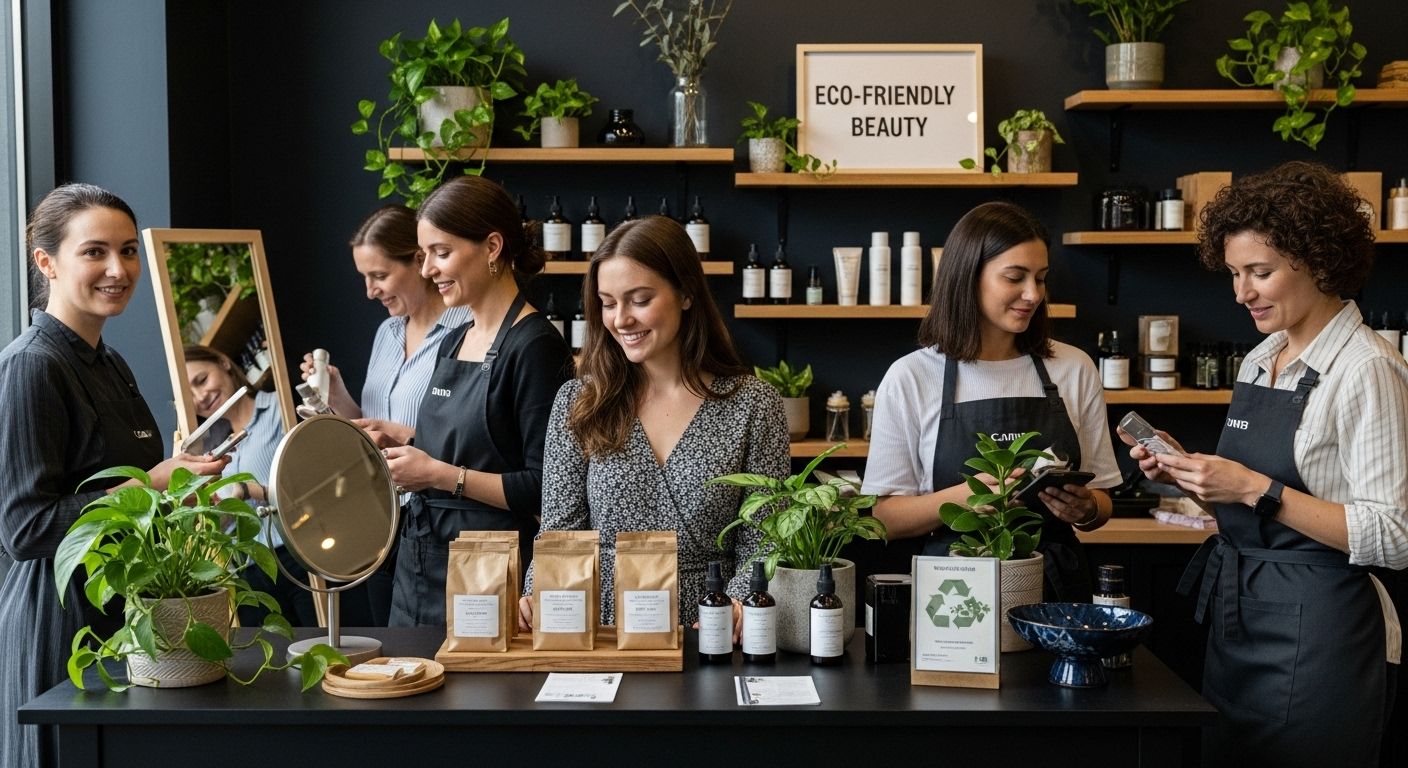
Eco-friendly beauty brands are leading a real shakeup in the way our personal care products are made and used. You might think something as small as picking out a new moisturizer does not matter much. But studies show that 64 percent of US beauty consumers now actively look for sustainable initiatives when choosing brands. That kind of demand is not just a passing trend. It is a major push for real change in the industry and it means your shopping habits have more power than you realize.
Table of Contents
- Defining Eco-Friendly Beauty Brands
- The Importance Of Sustainable Choices In Beauty
- How Eco-Friendly Brands Make A Difference
- Key Concepts In Eco-Friendly Beauty Products
- Recognizing Genuine Eco-Friendly Brands
Quick Summary
| Takeaway | Explanation |
|---|---|
| Prioritize natural, non-toxic ingredients | Choose beauty products with safe, sustainably sourced ingredients that reduce health risks. |
| Seek transparent eco certifications | Look for third-party certifications to validate a brand’s sustainability claims and practices. |
| Avoid brands that greenwash | Be cautious of misleading marketing; investigate to confirm authentic eco-friendly practices. |
| Embrace recyclable packaging | Select products featuring minimal and recyclable packaging to reduce environmental waste. |
| Understand the link between personal and environmental health | Recognize that sustainable beauty choices benefit both individual well-being and the planet. |
Defining Eco-Friendly Beauty Brands
Eco-friendly beauty brands represent a transformative approach to personal care products that prioritize environmental sustainability and ethical practices. According to research from the International Journal of Environmental Research and Public Health, these brands go beyond traditional cosmetic manufacturing by integrating conscientious strategies throughout their product lifecycle.
Core Principles of Eco-Friendly Beauty
The fundamental characteristics of eco-friendly beauty brands revolve around several critical elements that distinguish them from conventional cosmetic companies. These principles encompass a holistic commitment to environmental responsibility and ethical production.
The following table summarizes the key features distinguishing eco-friendly beauty brands from conventional cosmetic brands, making comparison easier for consumers evaluating sustainable options.
| Feature / Approach | Eco-Friendly Beauty Brands | Conventional Cosmetic Brands |
|---|---|---|
| Ingredient Sourcing | Natural, non-toxic, sustainably sourced | Synthetic, potentially toxic |
| Packaging | Minimal, recyclable, eco-conscious | Often excessive, primarily plastic |
| Manufacturing Practices | Reduced carbon footprint, renewable energy used | Higher emissions, traditional energy |
| Animal Testing | Cruelty-free | May include animal testing |
| Supply Chain Transparency | Transparent and traceable | Opaque, limited disclosure |
| Environmental Impact | Lower ecosystem harm, biodiversity focus | Higher pollution and waste |
| Ethical Standards | Fair labor, ethical sourcing | Labor/ethics may not be prioritized |
Key Elements Include:
- Utilization of natural, non-toxic ingredients sourced through sustainable methods
- Minimal and recyclable packaging designs
- Reduced carbon footprint in manufacturing and distribution processes
- Cruelty-free product development
- Transparent supply chain practices
Environmental and Ethical Considerations
Beyond ingredient selection, eco-friendly beauty brands demonstrate a comprehensive approach to sustainability. They carefully evaluate every stage of product creation, from raw material procurement to final packaging and distribution. This means selecting ingredients that do not harm ecosystems, avoiding microplastics, minimizing water consumption, and ensuring fair labor practices.
These brands recognize that true sustainability extends far beyond marketing claims. They actively work to reduce environmental impact while maintaining high-quality product standards. For consumers interested in learning more about luxury cosmetic brands that prioritize sustainability, exploring these eco-conscious options provides an opportunity to make more responsible purchasing decisions.
The Importance of Sustainable Choices in Beauty
Sustainable beauty choices represent a critical evolution in consumer consciousness, addressing significant environmental and health challenges within the cosmetics industry. According to research from the Cosmetic Executive Women, 64% of U.S. beauty consumers now actively seek innovative sustainability initiatives from brands, signaling a profound shift in purchasing behaviors.
Environmental Impact of Beauty Consumption
The beauty industry has historically generated substantial environmental waste, with significant implications for global ecosystems.
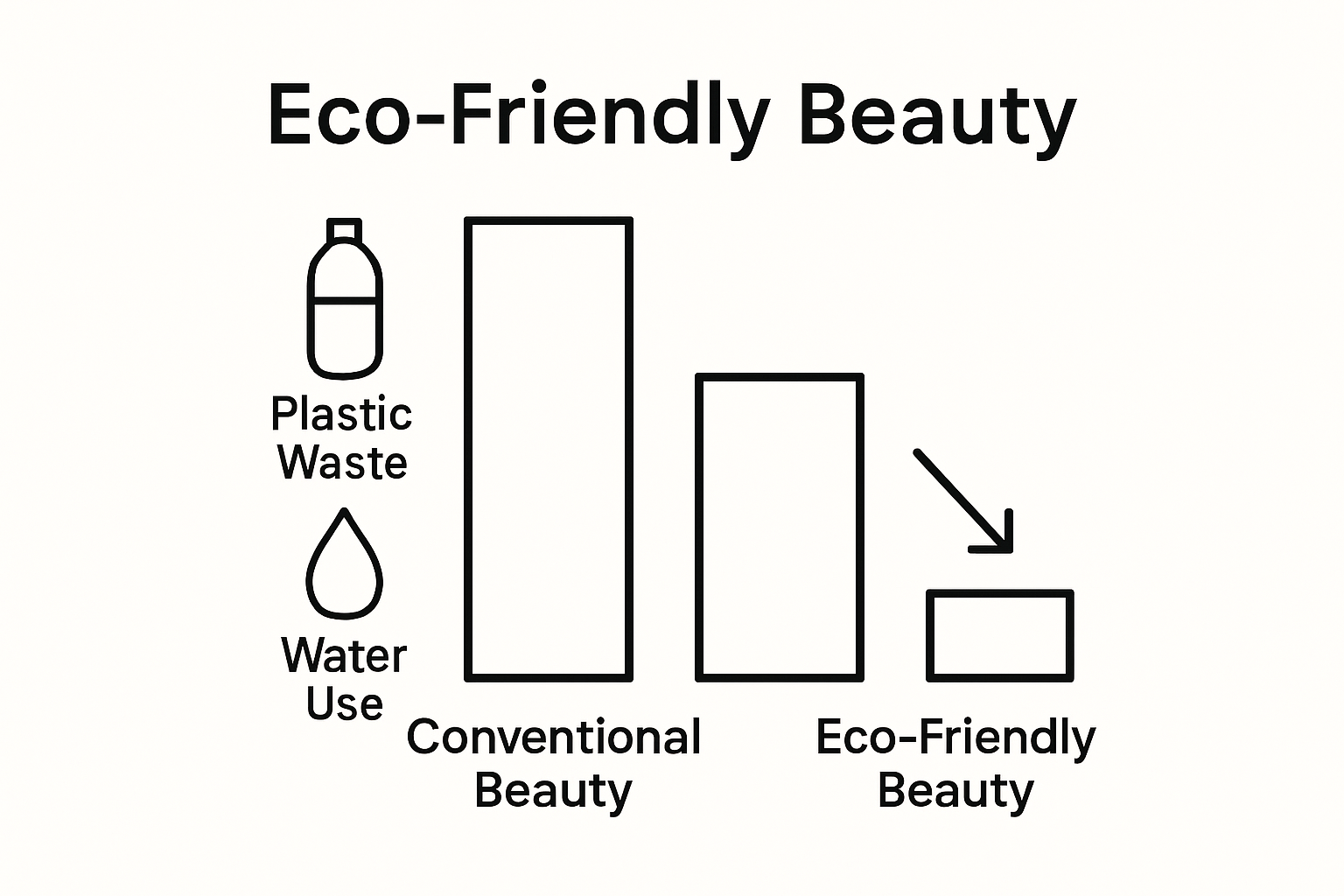 Conventional beauty product manufacturing contributes to multiple ecological challenges, including:
- Excessive plastic packaging waste
- High water consumption during production
- Chemical pollution from synthetic ingredient manufacturing
- Carbon emissions from global distribution networks
- Deforestation related to raw material extraction
Health and Personal Wellness Considerations
Beyond environmental concerns, sustainable beauty choices directly impact personal health and well-being. Consumers are increasingly recognizing that product ingredients interact not just with their skin, but with broader ecological systems. Natural, responsibly sourced ingredients minimize exposure to potentially harmful synthetic chemicals while supporting more holistic wellness approaches.
Companies committed to sustainability demonstrate a comprehensive understanding that individual health is intrinsically connected to environmental health. By exploring premium skincare routines that prioritize ethical sourcing and minimal environmental impact, consumers can make meaningful choices that benefit both personal and planetary wellness.
Ultimately, sustainable beauty is not just a trend but a necessary transformation in how we approach personal care, representing a powerful intersection of individual choice and global environmental responsibility.
How Eco-Friendly Brands Make a Difference
Eco-friendly beauty brands are transforming the cosmetics industry through strategic interventions that address environmental challenges and consumer expectations. According to research published in PubMed, these brands are creating meaningful change by reimagining product development, manufacturing, and distribution processes.
Innovative Sustainability Strategies
Transformative approaches by eco-friendly beauty brands go beyond traditional marketing claims, implementing comprehensive sustainability frameworks that create genuine environmental impact. These strategies involve multiple critical dimensions of responsible business practices:
- Developing circular economy production models
- Investing in renewable energy for manufacturing
- Supporting biodiversity conservation initiatives
- Creating transparent supply chain accountability
- Implementing regenerative ingredient sourcing practices
Creating Consumer Empowerment
Eco-friendly brands play a crucial role in educating consumers about sustainable choices. By providing detailed information about ingredient origins, environmental impact, and ethical production methods, these companies enable customers to make informed purchasing decisions. This transparency helps consumers understand the broader implications of their beauty product selections.
Moreover, these brands are pioneering innovative packaging solutions that dramatically reduce waste. Exploring premium skincare routines now increasingly means selecting products with minimal environmental footprints, demonstrating that luxury and sustainability can coexist.
The impact of eco-friendly beauty brands extends far beyond individual product choices. By challenging industry standards and demonstrating viable alternatives, these companies are driving systemic change, encouraging larger cosmetic corporations to adopt more sustainable practices and reimagine their environmental responsibilities.
Key Concepts in Eco-Friendly Beauty Products
Eco-friendly beauty products represent a sophisticated approach to personal care that integrates environmental consciousness with advanced scientific understanding. According to research from the National Center for Biotechnology Information, these products are characterized by comprehensive sustainability principles that extend far beyond conventional cosmetic manufacturing.
Foundational Elements of Green Cosmetics
Sustainable beauty products are defined by several critical characteristics that distinguish them from traditional cosmetic offerings. These foundational elements create a holistic framework for environmentally responsible personal care:
- Natural and biodegradable ingredient composition
- Minimal environmental impact during production
- Reduced chemical toxicity and potential health risks
- Ethical and transparent sourcing practices
- Environmentally conscious packaging solutions
Innovative Ingredient and Formulation Strategies
Eco-friendly beauty brands leverage advanced scientific approaches to develop products that minimize environmental harm while maintaining high-performance standards. This involves carefully selecting ingredients with low ecological footprints, utilizing renewable resources, and developing formulations that break down naturally without causing ecosystem disruption.
Consumers interested in understanding these complex processes can explore our guide to luxury cosmetic brands that prioritize sustainable innovation. These brands demonstrate that environmental responsibility and premium quality are not mutually exclusive.
Ultimately, key concepts in eco-friendly beauty products represent a paradigm shift in how we conceptualize personal care. By integrating scientific rigor, environmental stewardship, and consumer health considerations, these products offer a comprehensive approach to beauty that extends well beyond surface-level aesthetics.

Recognizing Genuine Eco-Friendly Brands
Discerning authentic eco-friendly beauty brands requires more than superficial marketing claims. According to research published in the International Journal of Environmental Research and Public Health, consumers must develop critical evaluation skills to identify truly sustainable cosmetic companies.
Verification and Certification Indicators
Genuine sustainability goes beyond attractive packaging and green-themed marketing. Consumers should look for specific, verifiable indicators that demonstrate a brand’s commitment to environmental responsibility:
- Third-party environmental certifications
- Transparent ingredient sourcing documentation
- Comprehensive carbon footprint reporting
- Detailed sustainability mission statements
- Verified ethical manufacturing practices
Understanding Greenwashing Risks
Many brands utilize misleading marketing techniques that create an illusion of environmental responsibility without substantial action. Greenwashing represents a significant challenge in the eco-friendly beauty marketplace, where companies strategically use green imagery and ambiguous terminology to appear more sustainable than they actually are.
Consumers can protect themselves by conducting thorough research and exploring premium skincare routines that prioritize genuine sustainability. Critically examining a brand’s complete environmental impact requires looking beyond surface-level claims and investigating their comprehensive approach to ecological responsibility.
This table outlines common indicators that help consumers differentiate genuine eco-friendly beauty brands from those that may engage in greenwashing, helping you make more informed purchasing decisions.
| Indicator | Genuine Eco-Friendly Brands | Greenwashing or Inauthentic Brands |
|---|---|---|
| Third-party Environmental Certifications | Display clear certifications | Rarely show or have ambiguous badges |
| Ingredient Transparency | Detailed sourcing and ingredient info | Vague ingredient lists or hidden info |
| Sustainability Reporting | Publicly share impact and goals | Little to no reporting |
| Ethical Manufacturing | Transparent labor practices | No mention of labor or ethics |
| Packaging Practices | Uses minimal/recyclable materials | Regular plastic, excess packaging |
| Marketing Language | Evidence-based, specific claims | Overuses vague terms like “green” only |
Recognizing genuine eco-friendly brands demands an informed, investigative approach that evaluates companies holistically. By understanding the nuanced landscape of sustainable beauty, consumers can make empowered choices that align with their environmental values and support truly responsible businesses.
Make Your Beauty Routine Truly Matter
You care about the world and your own well-being. The article you just read explained how eco-friendly beauty choices go beyond buzzwords to address real environmental and personal health concerns. But making sense of which brands are authentic and finding sustainable products you feel confident in can be overwhelming.

At Jag Couture Beauty, discovering genuine eco-friendly beauty solutions is easy. Explore our carefully curated collections that align with the values discussed in Understanding Why Eco-Friendly Beauty Brands Matter. We feature products that embody eco-conscious sourcing and transparent manufacturing so you can shop with clarity and conviction. Ready to make a change for the planet and your skin? Visit Jag Couture Beauty now and find beauty products that live up to your principles.
Frequently Asked Questions
What defines eco-friendly beauty brands?
Eco-friendly beauty brands emphasize environmental sustainability and ethical practices throughout their product lifecycle. This includes using natural, non-toxic ingredients, minimal and recyclable packaging, cruelty-free practices, and transparency in their supply chains.
How do eco-friendly beauty products benefit my health?
Eco-friendly beauty products typically contain natural, responsibly sourced ingredients that minimize exposure to potentially harmful synthetic chemicals. These products not only support personal health but are also aligned with broader ecological systems, promoting overall wellness.
What should I look for to identify genuine eco-friendly beauty brands?
To recognize authentic eco-friendly beauty brands, look for third-party environmental certifications, transparent sourcing documentation, certified ethical manufacturing practices, and companies committed to reducing their carbon footprint and waste.
What is greenwashing, and how can I avoid it?
Greenwashing refers to misleading marketing tactics used by some brands to appear more environmentally friendly than they are. To avoid greenwashing, conduct thorough research into a brand’s sustainability claims, focusing on their comprehensive environmental impact rather than surface-level marketing claims.